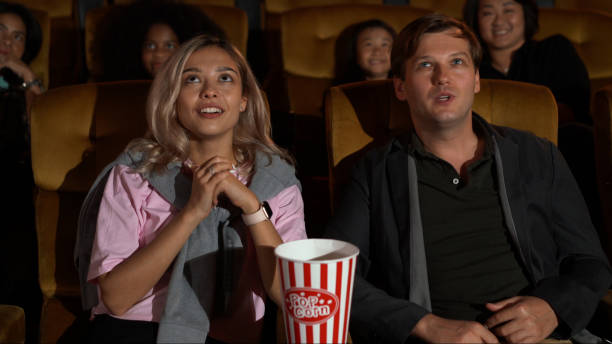

By Rachel Lin — Watched over 200 films from the 1940s–1970s. Took a while to appreciate them. Now prefers some of them to modern movies.
Last updated: April 2026
I used to avoid old movies.
Black and white? Too slow. Long shots of people just talking? Boring. No explosions? No thanks.
Then one year, I made myself watch one old movie per week. Not because I wanted to. Because a friend bet me I could not make it through the AFI Top 100 list.
The first few were hard. My attention kept drifting. I checked my phone. I paused to get snacks. I was not used to movies that took their time.
Then something shifted. Around movie 15 or 20, I stopped fighting the pace. I started noticing things I had been missing.
What Feels Different About Old Movies
Modern movies are fast. Shots last 2–4 seconds on average. Action movies are even faster. The camera moves constantly. Music tells you how to feel. Dialogue explains everything.
Old movies are not built that way.
| Old Movies | Modern Movies |
|---|---|
| Longer shots (10–30 seconds) | Fast cuts (2–4 seconds) |
| Quiet moments with no dialogue | Constant sound or music |
| Actors use their faces more | Editing does the work |
| Slower pacing | Faster pacing |
At first, the slowness felt like a flaw. Then I realized it was a choice.
What I Learned to Appreciate
The acting is different.
In a modern action movie, an actor can run, jump, and shout. Emotion is conveyed through volume and movement.
In an old movie, an actor might have to show fear while sitting completely still. No explosions. No running. Just their face. That is harder than it looks.
Watch the scene in 12 Angry Men where one juror slowly turns his back on the others. No one says a word. You know exactly what he is thinking. That is acting.
The silence matters.
Modern movies are loud. Even quiet scenes have a subtle score underneath.
Old movies are not afraid of silence. Characters think. They look out windows. They do not say anything for 10 or 15 seconds. In real life, people do that. In modern movies, silence feels like a mistake.
You have to pay attention.
Old movies do not hold your hand. They do not have a character explain the plot every five minutes. If you look at your phone for 30 seconds, you might miss something important.
That was frustrating at first. Now I see it as respect for the viewer. The filmmaker trusts you to pay attention.
A Few Old Movies That Changed My Mind
These are not obscure art films. These are famous movies that took me a while to appreciate.
12 Angry Men (1957)
One room. Twelve men. No action. No special effects. Just talking. Somehow, it is more tense than most thrillers.
Rear Window (1954)
A man in a wheelchair looks out his window. That is the whole movie. And it is brilliant.
The Apartment (1960)
A comedy-drama about loneliness and office politics. Made over 60 years ago. Feels like it could have been written yesterday.
I am not saying everyone will love these. But they are the ones that helped me understand what old movies do well.
What I Am Not Saying
I am not saying all old movies are good. Many are boring. Many have not aged well.
I am not saying modern movies are bad. Some are excellent. Some will be considered classics in 50 years.
I am just saying: if you have only watched movies from the last 20 years, you are missing something. Not something better. Something different.
How to Start Watching Old Movies (If You Want To)
Do not start with Citizen Kane. It is important, but it might put you to sleep.
Start with something that feels closer to modern movies.
| If You Like | Try This Old Movie |
|---|---|
| Thrillers | Rear Window (1954) |
| Courtroom dramas | 12 Angry Men (1957) |
| War movies | Paths of Glory (1957) |
| Comedies | Some Like It Hot (1959) |
| Romance | Roman Holiday (1953) |
Watch one. If you hate it, try a different genre. If you still hate it, old movies might not be for you. That is fine.
The Bottom Line
Old movies are not better than new movies. They are just different. They ask for a different kind of attention. Slower. Quieter. More patient.
That kind of attention is hard these days. Everything is fast. Everything is loud. Everything wants you to look at it right now.
Sometimes, watching an old movie is a way to practice slowing down. Not because you have to. Because you want to.
About the author: Rachel Lin watches old movies for fun. She has no formal film education. These are her personal opinions, not professional criticism.
This article is for entertainment purposes. Movie tastes vary widely. What works for one person may not work for another.